

At Lookout Mountain Family Dentistry, caring for young smiles is a priority we take seriously. We focus on creating positive dental experiences that set children up for a lifetime of healthy habits and confident smiles. Our approach combines prevention, education, and gentle clinical care so families can feel supported at every stage of their child's growth.

Healthy mouths start with early routines. When children are introduced to dental care in a calm, encouraging way, they are far more likely to adopt brushing, flossing, and regular dental visits as lifelong habits. Our team emphasizes simple, consistent steps parents can use at home to protect emerging teeth and build confidence with every visit.
Prevention is the backbone of pediatric dentistry. That means we focus on risk assessment, targeted cleanings, and personalized guidance — not just for your child, but for the whole family. By identifying potential problems early, we can intervene with minimally invasive treatments and avoid more extensive procedures later on.
Equally important is the emotional experience. Children respond best when they feel heard and safe. Our treatment rooms, staff interactions, and appointment pace are designed to reduce anxiety and make dental visits a positive chapter in your child’s routine. Gentle language, clear explanations, and small rewards help transform fear into cooperation.
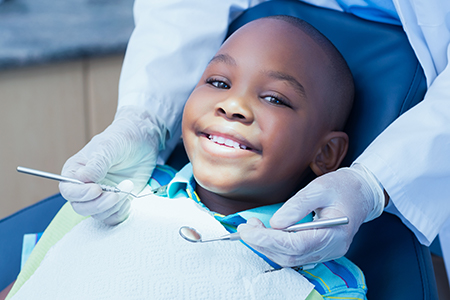
Routine examinations give dentists the chance to see how teeth and jaws are developing and to catch early signs of decay or bite problems. For most children, exams and cleanings twice a year are recommended so oral health can be reviewed and preventive measures — like topical fluoride or sealants when appropriate — can be applied at the optimal time.
Dental visits are more than cleanings; they are educational opportunities. During appointments we assess your child’s oral hygiene routine, discuss diet and snacking patterns that influence cavity risk, and coach both parents and children on techniques that make brushing and flossing more effective. Small adjustments at home can make a big difference.
When clinically necessary, we use low-dose digital radiography to see between the teeth and under the gum line. These images help reveal cavities, monitor the position of erupting teeth, and assess bone health without unnecessary exposure. Any imaging is used thoughtfully and only when it will change the recommended plan of care.
Tooth decay is common in childhood, but it is largely preventable. Decay develops when acids produced by bacteria attack tooth enamel; frequent exposure to sugary drinks and sticky snacks increases that risk. Teaching children about balanced food choices and limiting sugary beverages can reduce cavities and support general health.
Parents should be aware of habits that elevate decay risk, such as prolonged bottle use with milk or juice and frequent sipping on sweetened drinks. Simple changes — offering water between meals and avoiding bedtime bottles of milk or juice — help protect newly erupted primary teeth and make a meaningful impact on oral health.
For added protection, we may recommend dental sealants on permanent molars once they come in and topical fluoride treatments for children at higher risk of cavities. Both measures are quick, painless, and effective ways to strengthen tooth surfaces and reduce the likelihood of future decay.
Small, consistent actions at home are the most powerful tool parents have. Start with a twice-daily brushing routine using a soft-bristled brush and age-appropriate fluoride toothpaste, and supervise until your child demonstrates reliable technique. Flossing should begin when two teeth touch and become part of the nightly routine.
Nutrition plays an important role: choose tooth-friendly snacks like fresh fruit, cheese, and vegetables, and keep sweet treats to occasional times rather than continuous grazing. Drinking water — especially fluoridated water where available — supports saliva flow and helps neutralize acids after meals.
Make dental care predictably positive by preparing your child before appointments, praising cooperation, and keeping explanations simple. If your child has special needs, health conditions, or dental anxiety, our team will work with you to tailor visits so they are manageable and successful.
Begin dental care early and schedule the first dental visit near the first birthday to establish a dental home.
Keep baby teeth clean with gentle wiping and transition to a soft toothbrush as teeth emerge.
Avoid allowing infants to fall asleep with bottles containing milk or juice; water is the safest option.
Bring children for routine checkups and cleanings so small issues can be treated quickly and easily.
Set a consistent brushing and flossing routine by leading by example and making it a family habit.
Choose balanced snacks and limit sugary drinks; swap soda and juice for water whenever possible.
Help children stop prolonged pacifier or thumb-sucking habits when appropriate to protect dental alignment.
Use a properly fitted mouthguard for children who play contact or collision sports to prevent dental injury.

Baby teeth are more than temporary placeholders — they help children chew, speak clearly, and guide the alignment of the permanent teeth to follow. Because these teeth play a critical role in early development, keeping them healthy is essential even before the full set of primary teeth appears.
The American Academy of Pediatric Dentistry and the American Dental Association recommend that a child visit the dentist around their first birthday. That early appointment lets us check development, advise parents on home care, and create a welcoming relationship so future visits are relaxed and productive.
Teething can be uncomfortable, but simple remedies often provide relief: gentle gum massage with a clean finger or a chilled teething ring can soothe discomfort. If parents have concerns about excessive irritation or prolonged symptoms, we encourage them to bring the child in so we can review the situation and offer reassurance.
As children grow, their dental needs evolve. Regular dental care tracks those changes so we can spot shifting patterns in tooth eruption, monitor jaw growth, and identify early orthodontic concerns. When treatment is needed, catching problems early often allows for simpler, more effective solutions.
Orthodontic checkups often begin around early elementary years when certain bite or alignment issues become apparent. We will advise when a referral to an orthodontic specialist is recommended, guiding families on timing and options that align with a child’s developmental stage.
Teen years bring new challenges — sports, part-time jobs, and social habits can affect oral health. We work with families to maintain preventive care, recommend protective appliances for sports, and provide age-appropriate instruction about oral hygiene, vaping, and other behaviors that can harm teeth and gums.
We routinely assess facial growth and dental alignment so that any deviations can be observed and managed. Early interceptive care can redirect developing problems and decrease the need for more extensive treatment later. Our team explains findings clearly and helps families weigh the best timing for any recommended interventions.
Good nutrition supports both oral and overall health. Calcium, vitamin D, and other nutrients contribute to strong teeth and bones, while limiting sticky sweets and frequent sugary beverages reduces cavity risk. Practical dietary habits — balanced meals, water instead of sugary drinks, and mindful snacking — reinforce the benefits of professional care.
In summary, nurturing healthy smiles is a partnership between families and our dental team. From a child’s first tooth through adolescence, consistent prevention, timely checkups, and supportive guidance help children grow into adults with healthy, confident smiles. Contact us to learn more about pediatric dental care and how we can help your child thrive.
A pedodontist is a dentist who has received advanced specialty training in meeting the dental needs of children from infancy to adolescence. Pedodontists, also referred to as "pediatric dentists," study child psychology, behavior management, caring for children with special needs, methods of handling oral/facial trauma, and various techniques for providing anesthesia and sedation. Pedodontists also understand the complexities of facial growth and development and have the clinical skills required to meet the dental needs of all children at every stage of development. Most of all, pedodontists are passionate about what they do and enjoy working with children. They strive to make every dental experience a positive one as they help children establish a strong foundation for good oral health.
Even before your child is born, their first set of teeth is already forming. In fact, by one year of age, some of your baby's front teeth will have already come into place. While the arrival of your baby's first teeth is only one of many developmental milestones, it represents an excellent time to begin a program of oral care. According to recommendations from the American Dental Association, babies should see the dentist around the time of their first birthdays.
Your baby's first teeth typically begin to appear in the 6 to 12-month range. While this is an extraordinary milestone, you need to be aware that your baby may find the experience a little bit uncomfortable. Teething can make babies feel irritable. They may be fussy, have trouble sleeping, not want to eat, and drool quite a bit.
Although you are powerless to speed up the process of teething, there are a few things that you can do to soothe your baby as the new teeth are erupting into place. Common approaches to helping your baby feel more comfortable while getting new teeth, include teething rings or a cold spoon or moist gauze rubbed over their gums.
Even for these few new teeth, it's absolutely essential to establish an effective regimen of oral care. For information on when your baby's first set of teeth will erupt into place, consult this timeline from the American Dental Association: Eruption Charts
Some children persist in sucking their thumbs or fingers beyond their preschool years. For these children, the activity continues to be a source of comfort, relaxation, and security. It may even help them fall asleep at night. However, it's essential to be aware that in the long-term, a finger sucking habit is not healthy.
If your child's thumb or finger sucking habit is still present when the permanent teeth begin to come in, your child is at a higher risk of developing a bad bite. By the age of five or six years, you need to constructively and gently help your child stop the habit.
It's also a good idea to have a comprehensive evaluation at this time. Your pedodontist can assess if there are any habit related alterations to the alignment of your child's teeth or jaws, or if it is affecting their speech or swallowing patterns. They can also discuss habit control strategies with you, as well as follow your child's bite and facial development as they grow. If interceptive appliances or corrective orthodontic care are recommended, the timetable and best options in care will be explained in complete detail.
The American Academy of Pediatric Dentistry recommends a first dental visit by the child's first birthday or within six months of the first tooth erupting. Early visits allow the dentist to assess development, identify potential concerns, and establish a positive relationship between the child and the dental team. Starting early also gives parents practical home-care guidance and reduces anxiety about future appointments.
At that initial visit the clinician typically performs a gentle exam, discusses teething and feeding habits, and reviews daily oral hygiene techniques. Parents can expect simple demonstrations and age-appropriate advice on brushing, pacifier use, and habits that affect tooth development. The goal is prevention and education rather than extensive treatment at such a young age.
For most children, dental checkups and cleanings every six months are recommended to monitor growth, remove buildup, and apply preventive measures when needed. That schedule allows the dental team to track eruption patterns, detect early decay, and place topical fluoride or sealants at the optimal time. Some children with higher cavity risk or special medical needs may need more frequent visits based on a personalized plan.
The interval between visits is individualized according to risk factors such as diet, oral hygiene, medical history, and past decay. During each visit the team will reassess the timing of the next appointment and provide specific home-care recommendations. Regular, consistent visits help avoid more invasive procedures later by catching problems early.
Establishing a twice-daily brushing routine with a soft-bristled brush and age-appropriate fluoride toothpaste is the cornerstone of home prevention. Parents should supervise brushing until the child has the dexterity to do an effective job on their own, and begin flossing once two teeth contact each other. Consistent routines, positive reinforcement, and making brushing a family activity help reinforce long-term habits.
Nutrition plays a major role: limit sugary snacks and drinks, avoid prolonged bottle or sippy cup exposure to milk or juice, and offer water between meals. Encouraging tooth-friendly snacks like cheese, fresh fruit, and vegetables supports oral health and overall nutrition. If concerns about decay or feeding habits arise, discuss them with the dental team for tailored guidance.
Dental sealants are thin, protective coatings applied to the chewing surfaces of permanent molars and premolars to block food and bacteria from settling in pits and grooves. They are most commonly recommended when these teeth erupt, typically between ages six and 14, because newly erupted molars are vulnerable to decay. Application is quick, painless, and often completed during a routine visit.
Sealants significantly reduce the risk of cavities on treated surfaces and are checked at regular dental appointments for wear. They are most effective as part of a comprehensive prevention plan that includes fluoride, regular cleanings, and good home care. Your child’s dentist will assess whether sealants are appropriate based on tooth anatomy and individual decay risk.
Fluoride strengthens tooth enamel and helps prevent and reverse early decay by enhancing remineralization and making teeth more resistant to acid attack. It is delivered through multiple sources, including fluoridated community water, professional topical applications at the dental office, and age-appropriate toothpaste at home. When used in appropriate amounts and under professional guidance, fluoride is considered safe and effective for children.
Dose and delivery depend on the child’s age, cavity risk, and existing fluoride exposure from water or other sources. The dental team evaluates risk at routine visits and recommends topical fluoride treatments or supplements only when clinically indicated. Parents should follow recommended toothpaste amounts and supervise young children to minimize swallowing.
Dental x-rays are used selectively to reveal decay between teeth, assess the position of developing teeth, and evaluate jaw and bone health when a visual exam is insufficient. Modern digital radiography uses very low doses of radiation and can often achieve diagnostic images with minimal exposure. Dentists follow guidelines to limit use to situations where the information will affect diagnosis or treatment planning.
When x-rays are needed for a child, protective measures such as lead aprons and thyroid collars are employed and imaging is tailored to the smallest useful field. Frequency of imaging is personalized based on age, risk of cavities, and clinical findings. Parents should feel free to discuss any concerns about imaging so the team can explain the rationale and safety practices.
Behavior management techniques are central to pediatric dentistry and include methods such as tell-show-do, positive reinforcement, distraction, and gradual desensitization to build trust and cooperation. The dental team uses clear, age-appropriate language and a calm pace to reduce fear and make procedures predictable for the child. For many children these nonpharmacologic strategies are effective and support a lifetime of positive dental experiences.
For children with significant anxiety, special needs, or complex treatment needs, the dental team may recommend additional measures such as nitrous oxide or other forms of sedation in accordance with safety guidelines. At Lookout Mountain Family Dentistry the staff is trained to assess each child’s needs and propose options that prioritize safety, comfort, and successful outcomes. Parents are involved in planning and informed about what to expect before any technique is used.
The American Association of Orthodontists suggests an orthodontic evaluation by about age 7, when early signs of crowding, crossbites, or abnormal jaw growth can be detected. Early screening allows the dental team to monitor development and recommend timely referrals if interceptive treatment could simplify or reduce the need for later orthodontic procedures. Not every child needs immediate intervention, but periodic assessment helps identify issues at the most favorable time for treatment.
During routine visits the dentist will observe eruption patterns, jaw relationships, and habits such as thumb-sucking that can affect alignment. If early problems are identified, the dentist will discuss options, timing, and coordination with an orthodontic specialist. The focus is on planning treatment at the stage when outcomes are most stable and least invasive.
Treatment for decay in primary teeth ranges from preventive measures and minimally invasive restorations to crowns or pulpal therapy for more extensive involvement, depending on the severity and location of the lesion. Restorative materials and techniques are selected to preserve function and comfort while protecting the developing permanent dentition. Prompt treatment helps prevent pain, infection, and impacts on nutrition or speech.
For widespread or aggressive decay the team may recommend treatment plans that balance long-term oral health with the child’s ability to tolerate care, sometimes using behavior management or sedation as appropriate. Follow-up visits focus on monitoring healing, reinforcing home care, and preventing recurrence. Early intervention combined with strong preventive strategies yields the best outcomes for young smiles.
A typical pediatric appointment includes a brief medical and dental history review, a gentle oral exam, cleaning or polishing as needed, and preventive measures such as topical fluoride or discussion of sealants. The clinician will assess growth and development, answer parental questions, and provide clear home-care instructions tailored to the child’s age and needs. Appointments are paced to minimize stress and to create a constructive, educational experience for both child and parent.
Lookout Mountain Family Dentistry offers flexible scheduling and accommodates new-patient visits and urgent needs to help families maintain continuity of care. To schedule, contact the office by phone or use the practice’s appointment request options; the front-desk team will guide you through registration and any forms required for the first visit. If your child has special medical considerations, mention them when you call so the team can prepare for a comfortable and efficient appointment.
