When a Tooth Problem Becomes an Urgent Matter
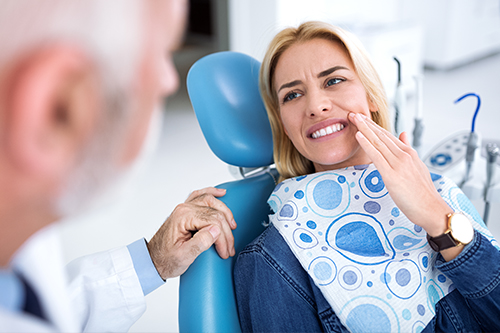
Dental pain and sudden damage to your teeth or gums can be alarming. Sharp, persistent tooth pain, facial swelling, uncontrolled bleeding, and injuries that leave a tooth loose or broken are signs that you should seek prompt professional attention. Acting quickly not only eases immediate discomfort but can also prevent more serious complications that affect oral health and general well‑being.
Not every dental issue requires emergency room care, but there are clear red flags to watch for: severe pain that doesn’t respond to over‑the‑counter pain relievers, rapidly spreading swelling, fever with oral symptoms, or any trauma that results in a tooth being knocked out or the jaw being injured. These situations can escalate quickly, so knowing when to move from home care to professional treatment matters.
Children and older adults can be especially vulnerable during dental emergencies because symptoms may progress faster or coincide with other health concerns. If you’re unsure whether a problem qualifies as an emergency, it’s wise to contact a dentist and describe the symptoms—this helps prioritize care and ensure the right steps are taken without unnecessary delay.
Common Types of Dental Emergencies We Manage
Dental emergencies take many forms, and our team is prepared to address a broad spectrum of urgent oral health problems. We commonly treat intense toothaches, chipped or fractured teeth that compromise the tooth’s structure, and dislodged or lost restorations such as crowns and large fillings. Acute infections that cause abscesses or swelling around a tooth are treated promptly to control pain and stop the spread of infection.
Other urgent issues include complications from wisdom teeth, sudden loosening of teeth due to trauma or advanced decay, and soft tissue injuries that cause bleeding or painful sores. Problems with dentures—such as fractures or poor fit that lead to cuts or difficulty eating—also fall under emergency care when they affect comfort or nutrition. We assess each situation individually to determine the most appropriate immediate action.
Occasionally, patients present with unexplained oral swelling, rapidly changing lumps or spots, or severe gum pain. While not every suspicious finding is an emergency, anything that causes acute pain, bleeding, or rapid change deserves timely evaluation so that any serious conditions are identified and treated early.
How We Stabilize Pain and Protect Your Smile
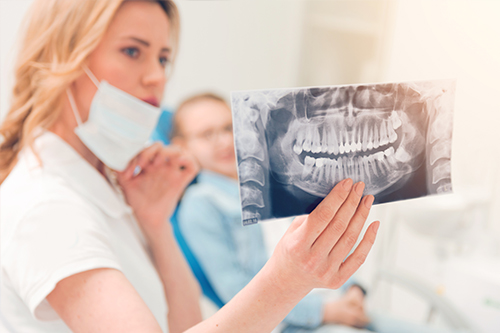
Our first priority in an emergency visit is stabilization: relieving pain, controlling infection or bleeding, and preventing further damage. The initial exam focuses on a calm, focused assessment—listening to your symptoms, checking vital signs when necessary, and using imaging or targeted tests to pinpoint the source of the problem. This allows us to make immediate, evidence‑based decisions about care.
Depending on the diagnosis, treatment may include temporary measures designed to reduce discomfort and preserve tooth structure until a definitive restoration can be completed. That could mean placing a protective bandage or temporary filling, adjusting or reattaching a dislodged crown, prescribing antibiotics if an infection is present, or referring for urgent surgical care when a facial injury or jaw fracture is suspected. Communication is key: we explain each step so you know what to expect next.
We also emphasize comfort and safety throughout emergency treatment. Modern techniques and gentle anesthesia options help control pain while minimizing stress. For anxious patients, our team offers reassuring guidance and proven methods to make emergency visits as calm and efficient as possible, allowing us to focus on restoring oral health quickly and effectively.
Saving the Tooth Versus Replacement: Practical Choices
Whenever possible, our goal is to preserve natural teeth. Treatments such as dental bonding, new fillings, and crowns can restore form and function after many traumatic or decay‑related injuries. When a tooth’s nerve is inflamed or infected, root canal therapy is a dependable option that removes the source of pain while keeping the tooth in place. These restorative paths often return patients to normal chewing and appearance with long‑lasting results.
However, there are cases when extraction is the safest or most predictable choice—severe structural damage, untreatable infection, or a tooth that’s compromised beyond repair. When removal is necessary, we prioritize options that restore oral health and appearance. Modern replacement choices include fixed bridges, partial dentures, and dental implants, the latter being a durable solution that replaces both the tooth and its root structure for a natural feel and function.
At every step we discuss the rationale behind each recommended treatment, focusing on preserving function, preventing recurrent problems, and restoring a healthy smile. Lookout Mountain Family Dentistry combines conservative judgment with current technology to make treatment decisions that align with your oral health goals.
What to Do Before You Arrive and What to Expect in Our Office
When a dental emergency occurs, small first‑aid measures can reduce pain and improve outcomes. Rinse your mouth gently with warm water to clear debris, apply a clean cloth to control persistent bleeding, and use a cold compress on the cheek to limit swelling. If a tooth has been completely dislodged, keep it moist—store it in milk or saline if possible—and bring it with you; prompt re‑implantation sometimes allows the tooth to be saved.
Call ahead if you can; sharing symptom details helps the team prepare and prioritize care. At your visit you can expect a focused clinical exam and any necessary imaging to evaluate the extent of damage. We will explain findings in plain language and outline immediate options—whether that’s a short, pain‑relieving procedure or a plan for staged treatment to restore the tooth permanently.
Our office maintains high standards for safety, cleanliness, and patient comfort. We will review medical history and medications, take steps to minimize discomfort during procedures, and coordinate follow‑up care so recovery continues smoothly. If a referral for specialized or surgical care is required, we assist in arranging timely appointments to ensure continuity of treatment.
Overall, prompt action and informed care make a decisive difference in dental emergencies. If you experience severe dental pain, trauma, swelling, or any sudden change in oral health, contact us for guidance and to arrange an urgent evaluation. Our team is ready to help you find relief and restore your oral health.